

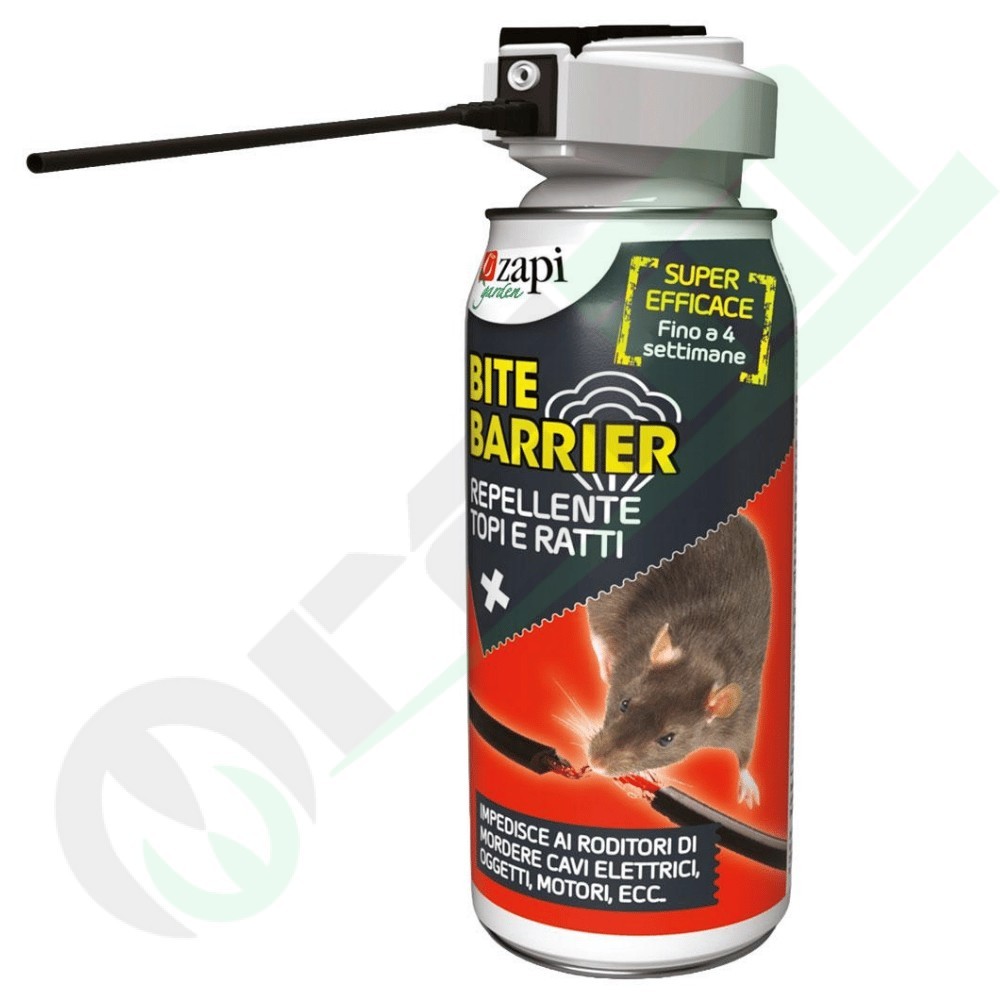
Bite Barrier Anti Chew Rodent Repellent Spray Code 620040 Zapi
Ready-to-use anti-chew rodent repellent spray Bite Barrier, part number 620040 by Zapi. Formulated with exclusive Bite Barrier Zapilabs technology combining selected aromatic substances and synergists, it forms an invisible protective shield preventing mice and rats from gnawing on electrical wiring, engines, control units, packaging, and wall gaps. Features a 360-degree dual-action nozzle with directional straw for narrow and inverted applications. Easy and clean protection.
Read more ↓- Exclusive Zapilabs BB Technology
- Forms an Invisible Protective Film
- Dual-Action Spray Nozzle with Straw
Sconto extra riservato ai clienti registrati
Accedi per sbloccare il codicePrezzo finale con coupon: €13.62
Description
Ready-to-use anti-chew rodent repellent spray Bite Barrier, part number 620040 by Zapi. Formulated with exclusive Bite Barrier Zapilabs technology combining selected aromatic substances and synergists, it forms an invisible protective shield preventing mice and rats from gnawing on electrical wiring, engines, control units, packaging, and wall gaps. Features a 360-degree dual-action nozzle with directional straw for narrow and inverted applications. Easy and clean protection.
Key features
Application areas and machine suitability
| Sector / Application Area | Operational Capabilities & Benefits |
|---|---|
| Automotive, Tractors & Plant Machinery | Shields electrical wiring harnesses, rubber hoses, and electronic control units from rodent gnawing during extended garage storage. |
| Electrical Switchboards & Control Panels | Preventive application on cable raceways, conduit entry glands, and industrial cabinets preventing costly short circuits. |
| Civil Buildings, Warehouses & Packaging | Treats door thresholds, structural gaps, exterior wall joints, and pallet goods to block pests from widening cracks to enter facilities. |
Specifications
| Commercial Product Name | BITE BARRIER - REPELLENTE TOPI E RATTI |
|---|---|
| Commercial Product Code | 620040 |
| Formulation Category | Ready-to-use aerosol spray with film-forming barrier coating |
| Formulation Technology | BB (Bite Barrier) Technology by Zapilabs with synergistic aromas |
| Dispensing Mechanism | Dual-action actuator with flip-up extension straw and 360° all-position valve |
| Target Biological Species | Mice and rats (anti-gnaw and surface intrusion deterrent) |
| Compatible Materials | Electric wiring looms, rubber coolant hoses, engine parts, cardboard, wood, concrete, and masonry |
| Treated Surface Appearance | Transparent, non-corrosive, temperature-stable protective film |
| Sales Classification | Over-the-counter general sale (no license required) |
From the same category: Rodenticides
Other items from the same family
Same category: not always compatible, check the model in the description.
Gardentop Next Pasta Plus Rodenticide Bait 150g Code 620017 Zapi
Ref. 620017
Bonirat Pasta Plus Rodenticide Bait 1.53kg Code 620020 Zapi
Ref. 620020
Agrigard Red Pasta Rodenticide Bait 1.53kg Code 620025 Zapi
Ref. 620025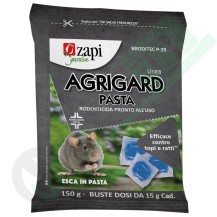
Agrigard Blue Paste Rodenticide Bait 150g Code 620026 Zapi
Ref. 620026
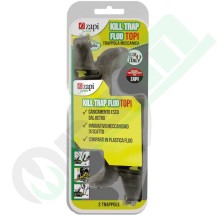
Kill Trap Fluo Snap Trap for Mice 2 Pack Code 620036 Zapi
Ref. 620036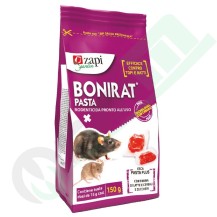
Bonirat Pasta Plus Rodenticide Bait 150g Code 620019 Zapi
Ref. 620019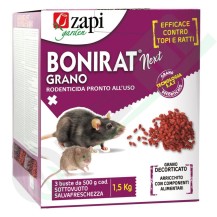
Bonirat Next Hulled Grain Rodenticide Bait 1.5kg Code 620029 Zapi
Ref. 620029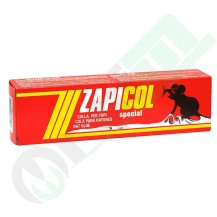
Zapicol Glue Tube for Mouse and Rat Traps 135g Code 620030 Zapi
Ref. 620030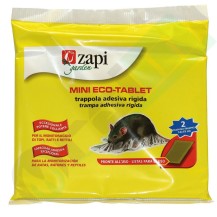
Zapi Mini Eco-Tablet Ready to Use Adhesive Sticky Trap 620031
Ref. 620031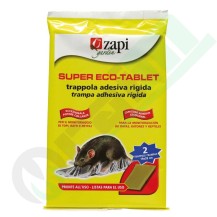
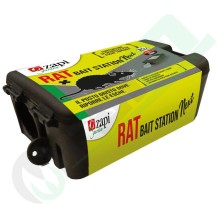
Rat Bait Station Next Tamper Resistant Rodent Box 620038 Zapi
Ref. 620038Reviews
Shipping and returns
 Bite Barrier Anti Chew Rodent Repellent Spray Code 620040 Zapi